
Popular Tree Removal Products Every Arborist Needs in Their Arsenal
Discover essential tools and gear that ensure smooth and safe tree removal processes for various sizes and types of trees.
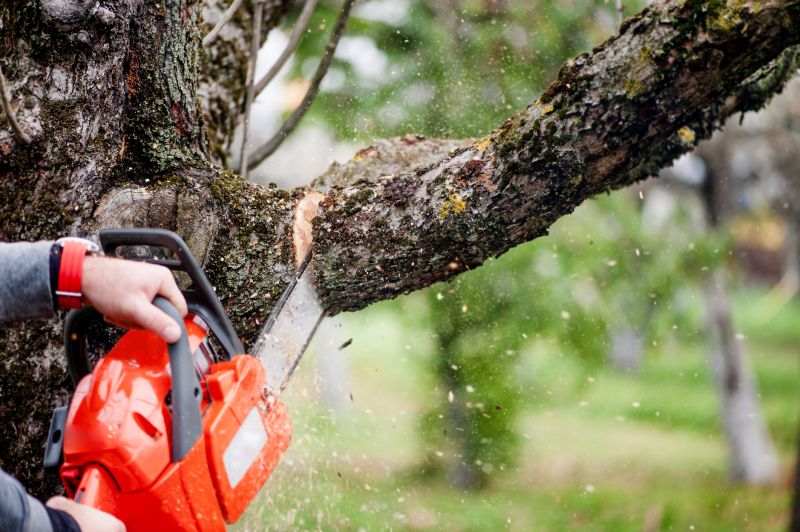 Tree removal is a task that often requires specialized tools and equipment to ensure safety and efficiency. Whether dealing with hazardous branches, dead trees, or clearing space for new construction, selecting the right products can make the process smoother. In Salem, OR, homeowners and professionals alike seek reliable tools that can handle various tree removal scenarios while maintaining safety standards. From manual pruning tools to heavy-duty equipment, understanding the options available helps in making informed decisions.
Top Overall Option
Heavy-Duty Gas-Powered Chainsaw
A versatile and powerful tool suitable for a range of tree removal tasks, the heavy-duty gas-powered chainsaw offers mobility and robust performance. Its design allows for efficient cutting of large trunks and thick branches, making it a favored choice among professionals and serious DIY enthusiasts. Features such as high-capacity engines, ergonomic handles, and safety mechanisms contribute to safer operation and extended usage. Proper maintenance and handling are essential to maximize its effectiveness and lifespan.
Types of Products For Tree Removals
Electric Chainsaw
Ideal for smaller trees and branches, electric chainsaws offer quiet operation and ease of use, with less maintenance compared to gas models.
Manual Pruning Saw
Suitable for precise trimming and smaller branches, manual pruning saws provide control and accuracy without power sources.
Pole Pruners
Designed to reach higher branches safely, pole pruners extend your reach and are useful for maintaining tall trees.
Chainsaw Carving Bars
Specialized bars for detailed carving and shaping, often used in artistic tree work or precise trimming.
Tree Climbing Gear
Harnesses, spikes, and ropes that facilitate safe climbing and positioning during tree removal or pruning.
Rope and Pulley Systems
Assist in controlled lowering of large branches or entire trees, reducing risk during removal.
Stump Grinders
Equipment designed to grind down remaining stumps after tree removal, facilitating replanting or landscaping.
Safety Helmets and Gear
Protective equipment essential for safeguarding against falling debris and accidental contact.
Loppers
Long-handled pruners suitable for cutting thicker branches with leverage.
Aerial Lifts and Cherry Pickers
Heavy machinery that provides elevated access for large-scale or difficult-to-reach tree work.
Debris Chippers
Tools to convert branches and small logs into mulch, aiding in cleanup and disposal.
Log Splitters
Machines used to split larger logs into manageable firewood or mulch-sized pieces.
Tree Removal Blades
Heavy-duty blades designed for cutting through wood efficiently during removal.
Winches and Hoists
Assist in pulling or lowering large tree sections safely and with control.
Protective Clothing
Durable gloves, chaps, and boots designed to protect workers during tree removal activities.
Transport and Dump Trailers
Equipment for hauling away debris and logs from the site efficiently.
Popular Choices
Offers portability and ease of use for light to medium tasks, with the convenience of battery operation.
Provides mobility and power for larger tree removal projects, suitable for extensive yard work.
Ideal for trimming high branches without climbing, with adjustable reach.
Essential for controlled lowering and securing large branches during removal.
Critical protective gear to prevent injuries from falling debris or accidental contact.
Allow safe ascent for detailed pruning or removal of high branches.
Compact chippers for on-site processing of branches and small logs.
Provide stable platforms for reaching higher branches safely.
Support safe climbing and work positioning for arborists.
Hand tools designed for grabbing and pulling small branches or limbs.
Various manual and power tools for efficient stump extraction.
Heavy-duty bags for collecting and transporting cut branches and leaves.
Powerful tools for removing small to medium-sized trees with minimal manual effort.
Assist in directing the fall of a tree and preventing pinching during cuts.
Maintain cutting efficiency by keeping chains sharp and effective.
Reduce noise exposure during loud cutting operations.
Provide grip and protection during handling of tools and branches.
Proper planning and the right equipment are essential for effective tree removal. Safety should always be a priority, which means choosing tools with secure grips, appropriate power sources, and features that minimize risk. Additionally, the size and type of tree, as well as the surrounding environment, influence the selection of products. For example, smaller pruning saws are suitable for delicate branches, while larger chainsaws are necessary for bigger trunks. Accessories like safety gear and support equipment further enhance safety and efficiency.
Investing in quality tools can also impact the ease of the removal process. Durable materials, ergonomic designs, and reliable performance are key factors to consider. Whether you are a professional arborist or a homeowner tackling a DIY project, selecting versatile and dependable products can help achieve the desired results while prioritizing safety. It is advisable to assess the scope of the project and choose tools that match the specific requirements of the tree removal task at hand.
In Salem, OR, where property maintenance and landscape management are common, having access to a comprehensive range of tree removal products ensures readiness for various situations. Proper equipment not only facilitates efficient work but also reduces the risk of accidents. Ultimately, understanding the different types of products available and their appropriate applications can lead to safer, more effective tree removal efforts.
Key Buying Considerations
- Assess the size and type of trees you will be removing to select appropriately powered tools.
- Prioritize safety features such as chain brakes, safety guards, and protective gear compatibility.
- Consider the mobility and weight of equipment, especially if you need to move around large or tall trees.
- Evaluate the power source—corded electric, battery-powered, or gas—based on convenience and project size.
- Look for ergonomic designs to reduce fatigue during extended use.
- Check for durability and build quality to ensure longevity and reliable performance.
- Review maintenance requirements and ease of servicing for the equipment.
- Determine the availability of replacement parts and accessories.
- Consider noise levels, especially if working in residential areas with noise restrictions.
- Estimate your budget and compare features to find the best value for your needs.
- Ensure compatibility with safety gear and accessories for comprehensive protection.
- Think about additional tools such as lifts, chippers, and stump grinders that may be needed for complete removal projects.
- Research local regulations and guidelines related to tree removal and equipment use.
- Seek products with good user reviews and reputable customer support.
This content may contain affiliate links. We may earn a commission if you purchase through these links, at no additional cost to you.